Deal.Ed
The Rise: Transforming Underperforming Multifamily into Passive Income
-
Multifamily real estate investing is frequently hailed as one of the most dependable strategies to accumulate wealth over the long run. However, the real value is frequently found in properties with unrealised potential rather than in immaculate, fully rented buildings. Underperforming properties may have antiquated interiors, ineffective management, or rents that are below market value.
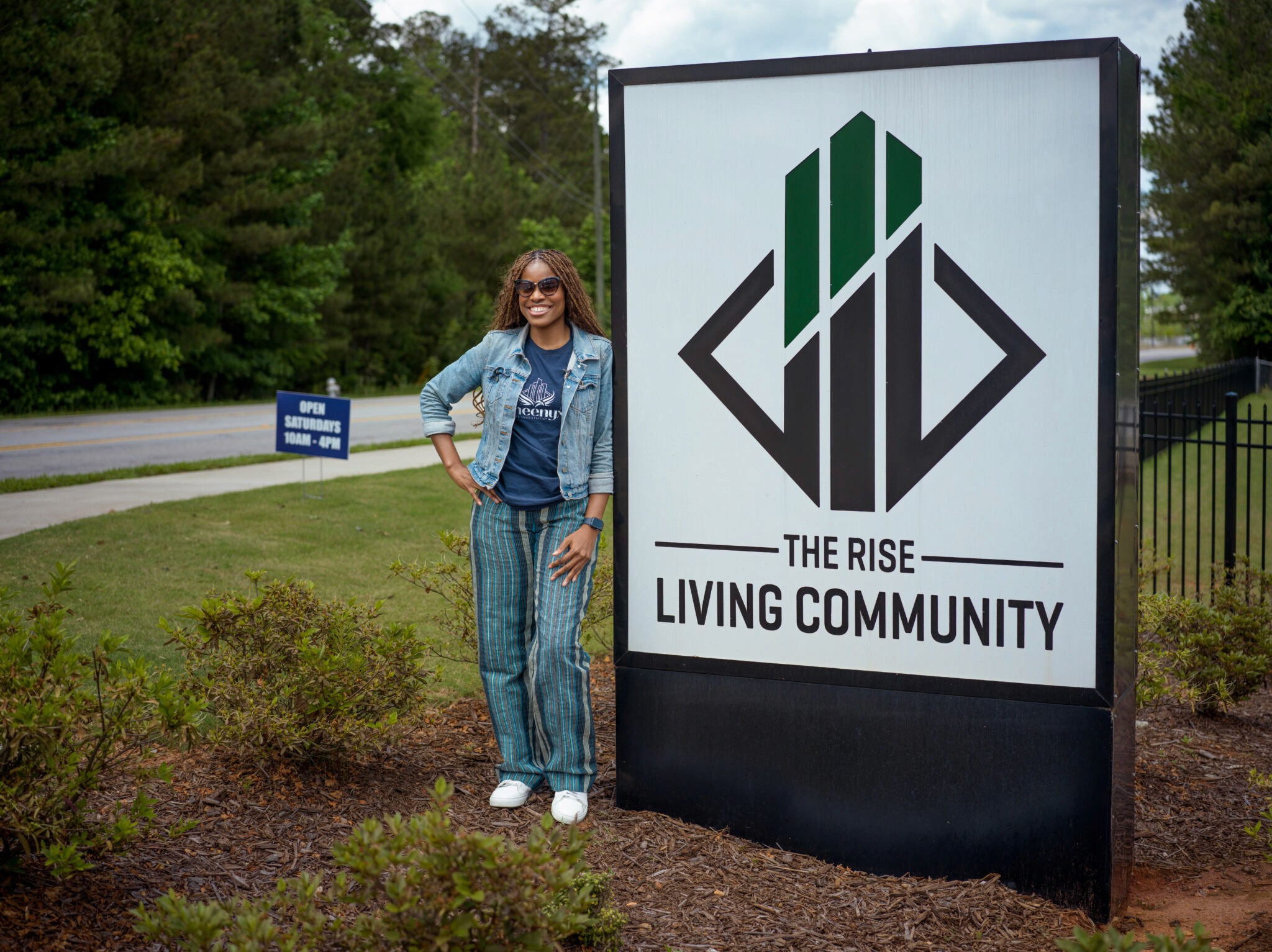
The “The Rise” project by Pheenyx Capital is a masterclass in spotting these kinds of opportunities and turning them into assets that generate revenue. In this piece, we dissect the procedure, examine the tactics used, and offer guidance that any real estate investor can use.
Understanding Underperforming Properties
Not all properties are set up for success. Investors must comprehend the reasons behind a property’s poor performance before they can unlock value. Among the main causes are:
Physical Restrictions
Rent potential can be lowered and tenant satisfaction decreased by outdated or worn interiors, inefficient unit layouts, inadequate lighting, or ageing infrastructure.
Inefficiencies in Operations
High turnover and irregular cash flow are frequently caused by inefficient management, postponed maintenance, and inadequate tenant communication.
Misalignment of the Market
Properties in low-demand areas or with rents that are out of line with market rates may not be fully occupied or may draw less desirable tenants.
Budgetary Restrictions
Even respectable properties might not yield consistent returns in the absence of systematic financial planning.
Lesson: An underperforming property is not inherently bad; it often represents untapped opportunity. The key is a structured, strategic approach to identify and address its weaknesses.
How to Evaluate Value-Add Opportunities
Enhancing properties to increase returns is the goal of value-added investing. This is a straightforward but comprehensive method for assessing possible investments:
Market and Rent Analysis
Examine the current rental prices for nearby comparable properties.
Find areas with below-market rents that could have upside potential.
Occupancy and Tenant Assessment
Recognise the preferences and demographics of your tenants to customise improvements.
Examination of the Body, look for inefficient layouts, old finishes, or neglected maintenance.
Physical Inspection
Look for inefficient layouts, old finishes, or neglected maintenance.
Determine what changes will improve desirability, functionality, and appearance.
Expense Review
To identify inefficiencies, audit operating expenses.
Examine ways to cut costs without sacrificing quality.
Local Market Trends
Examine the expansion of the neighbourhood, future construction, and infrastructure initiatives.
Make sure the property is in line with both the potential for future appreciation and market demand.
Takeaway: Successful value-add investing begins with detailed analysis, not guesswork. Every decision should be backed by data.
Case Study: The Rise
Pheenyx Capital purchased The Rise, a multifamily property, as an underperforming asset with substantial value-creation potential.
Initial Condition
Location: Urban area with growing rental demand.
Size: There are 128 apartments total, ranging in size from one to two bedrooms.
Challenges: Obstacles include antiquated interior design, uneven rental experiences, subpar rents, and inefficient operations.
Transformation Strategies
Targeted Renovations –
Interior upgrades include new flooring, lighting, bathrooms, and kitchens.
Revitalised communal spaces to enhance the quality of life in general.
Operational Improvements
Simplified systems for maintaining and managing properties.
Enhanced communication with tenants to improve retention.
Rent Optimization
For upgraded units, rental prices were strategically changed to better reflect market rates.
Community and Exterior Enhancements
Enhancements to the exterior and landscaping increased curb appeal.
Amenities and communal spaces were enhanced to attract long-term tenants.
Observed Outcomes
These tactics are generally applicable even outside of this particular project:
Make an investment in potential rather than perfection. – The greatest upside is frequently found in properties with problems. Pay attention to what can be strategically improved.
Decisions Based on Data – To reduce risk, every choice should be informed by operational metrics, rental trends, and market analysis.
Excellence in Operations- Cash flow stability and tenant retention are fuelled by effective property management.
Strategic Remodelling – Give top priority to upgrades that increase renter satisfaction and produce quantifiable revenue growth.
Organisation of Finances – Plan your financing and renovations to maximise long-term returns without interfering with cash flow.
Take Advantage of Tax Benefits – For investors, depreciation and cost segregation can greatly maximise net returns.
Lessons for Aspiring Investors
Identify Opportunities Carefully – Underperforming properties frequently conceal hidden value.
Plan and Prioritise Upgrades – Upgrades should be planned and prioritised, with an emphasis on improvements that have a direct effect on rent and retention.
Manage Operations Efficiently – Effective Operations Management lowers expenses and raises tenant satisfaction.
Monitor and Adapt— Consistent supervision and prompt modifications are necessary for passive income.
Think Long-Term – The goal of value-added investing is to gradually increase equity and income.
Why This Matters
The Rise demonstrates that strategy, not luck, is the key to successful passive income. Important takeaways for investors include:
Unlocking hidden potential requires combining operational enhancements, strategic upgrades, and market knowledge.
Long-term asset value and cash flow are both improved by careful execution.
The Rise and other real-world examples offer a model for generating consistent passive income from multifamily investments.
Conclusion
More than just a single property, “The Rise” serves as a case study of how well-considered, calculated interventions can turn struggling multifamily properties into reliable, profitable assets.
Investors can learn how to find opportunities, enhance cash flow, and build long-term wealth by concentrating on analysis, improvements, operational effectiveness, and market alignment. The main conclusion is that value-added multifamily investing is successful when patience, strategy, and execution are all combined.